Wax Paper vs. Parchment Paper Explained: What’s the Difference
Tiny Cottage Kitchen may earn money or products from the companies or product links mentioned in this post. This supports continued free recipes for you to enjoy.
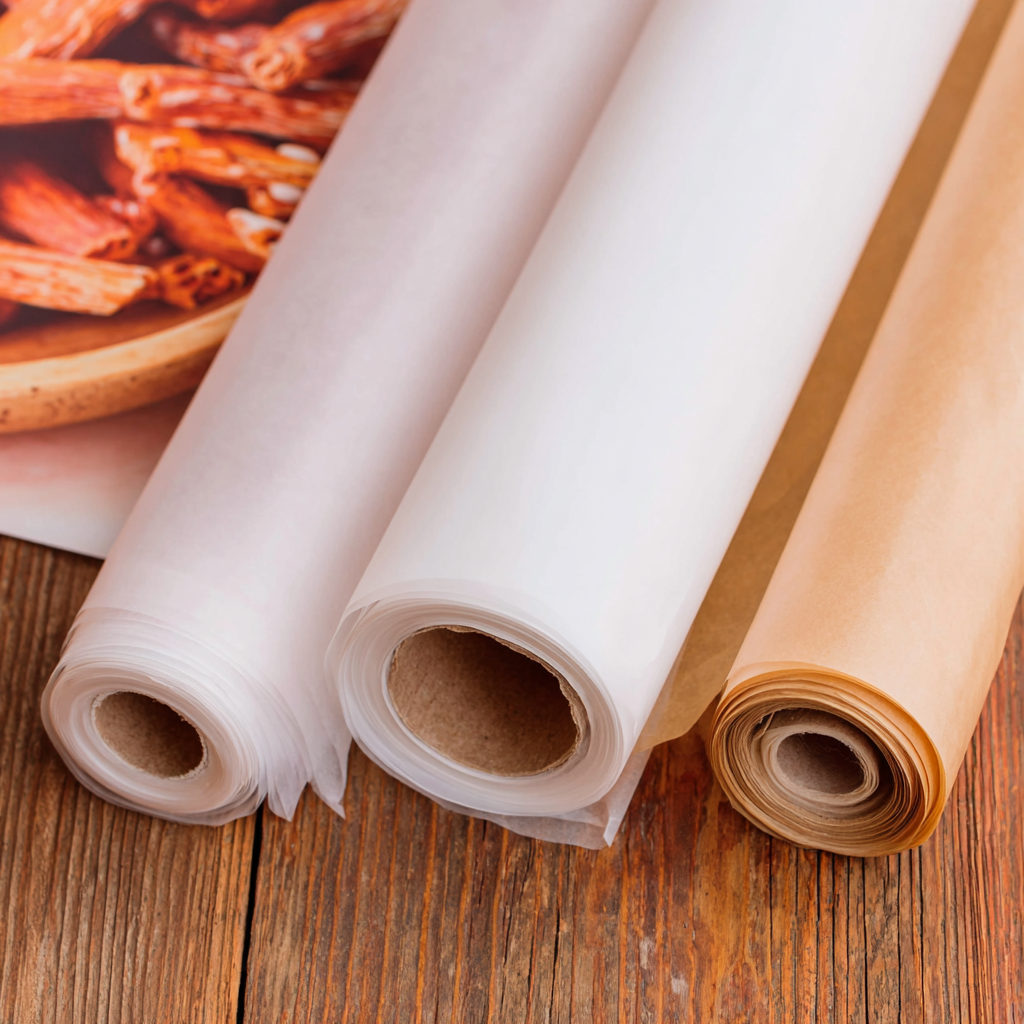
A simple guide to understanding two kitchen staples — and why you actually need both.
If you’ve ever stood in the baking aisle wondering whether you should grab wax paper or parchment paper, you’re not alone. These two rolls look almost identical at first glance, but they behave very differently in the kitchen. One was invented in the 1800s for food storage… and the other came along decades later to tackle baking and high-heat cooking.
Let’s explore the history, the purpose, and the everyday uses of each — so you never have to guess again.
A Quick History Lesson
Wax Paper: Born in 1872 for Food Storage
Wax paper was invented in 1872, when paraffin wax started being applied to paper to prevent sticking and drying. It was designed for wrapping sandwiches, protecting cheese, lining cold pans, and storing food — not for baking.
Its magic is in the coating: wax creates a wonderfully nonstick surface, but it melts at high temperatures. That makes it great for cold prep but unsafe for the oven.
Parchment Paper: The Baking Game Changer
Parchment paper appeared in the early 1900s, created specifically for high-heat cooking and baking. Instead of wax, parchment is treated with silicone, which makes it heat-safe, nonstick, and incredibly versatile. It can withstand temperatures up to about 425°F without burning or melting.
In short: wax paper is for cold things, parchment paper is for hot things.
Wax Paper: Best Uses
Wax paper shines when you’re working with cold, room temperature, or non-heat tasks.
Try it for:
- Lining counters while working with dough
- Rolling out pie crusts
- Wrapping sandwiches
- Storing cheese
- Separating cookies or pastries in the freezer
- Lining pans for no-bake treats
- Catching messes under messy tasks (like chocolate-dipping)
It’s light, smooth, nonstick — and perfect for prepping and storing.
Just remember: wax paper cannot go in the oven.
Parchment Paper: Best Uses
This is your baking superstar.
Use parchment paper for:
- Lining baking sheets
- Preventing sticking with cookies or pastries
- Roasting vegetables
- Baking fish “en papillote”
- Making brownies or cakes easy to lift out
- Anything that goes in the oven
- Air fryer liners (if your fryer allows it)
- Protecting pans and reducing cleanup
If heat is involved, parchment paper is almost always the right choice.
Why You Need Both in Your Kitchen
Think of wax paper as your prep buddy — always ready to help you roll, wrap, store, and keep things tidy.
Parchment paper is your heat-safe partner — reliable, versatile, and essential for baking success.
Together, they make prepping, cooking, and cleanup smoother and so much easier.
Love food history? You may like these posts:
Iconic foods that originated in hotels during the gilded age
The food that changed a nation
My food history and recipe channel
Final Thoughts
Wax paper and parchment paper serve different—but equally helpful—purposes. Understanding when to use each one means better baking results, less frustration, and a much easier cleanup at the end of the day.
Whether you bake often or just want a smoother meal prep routine, keeping both on hand is a small upgrade that makes a big difference.
If you’d like to see the quick visual version of this guide, check out my short video that breaks it all down in under a minute.